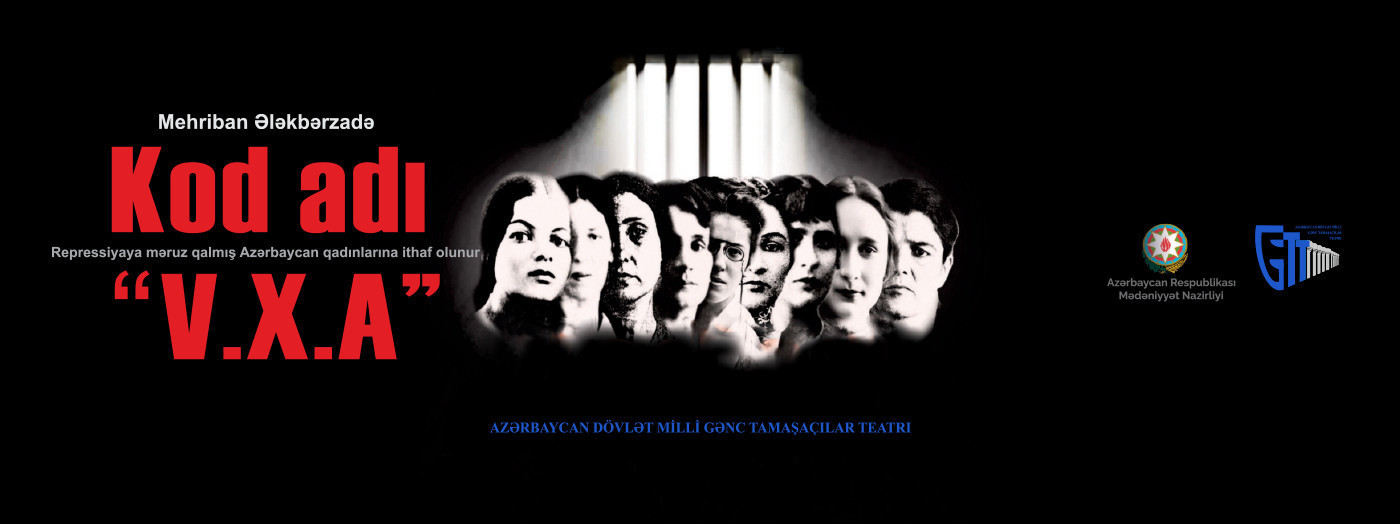
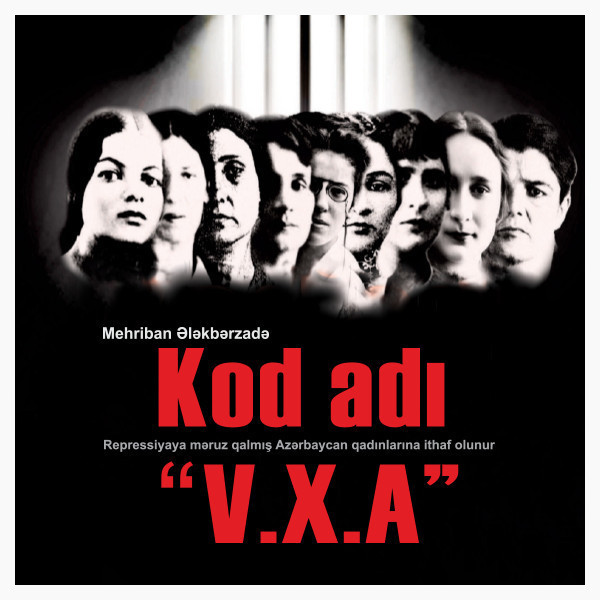
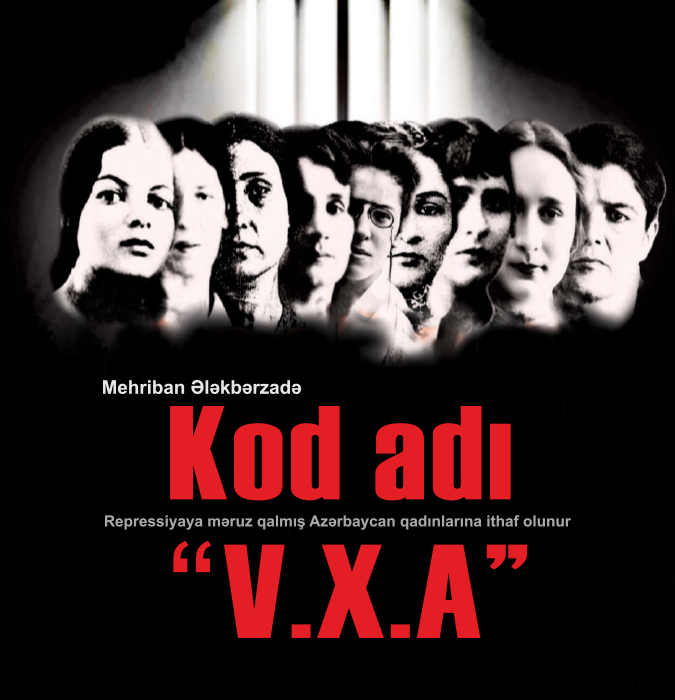
“Kod adı: V.X.A.”


About event
This event is available as QR tickets or as physical tickets sold at city box offices. QR tickets will be activated on the day of the event. To use your QR tickets, you need to log into your personal account in the iTicket.AZ mobile application.
More about QR tickets: QR ticket
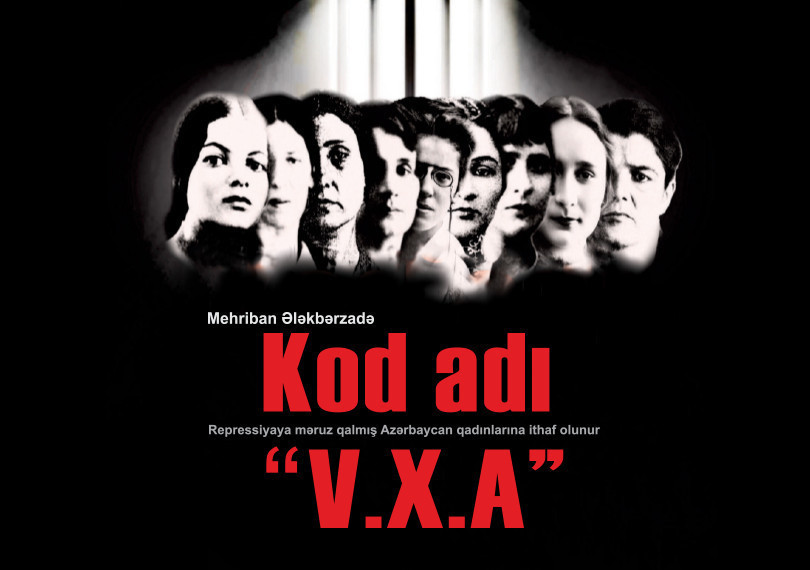
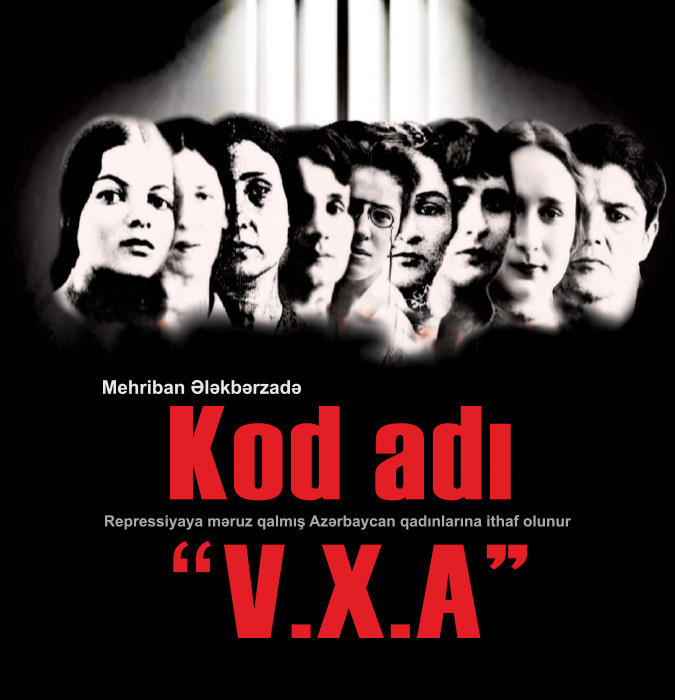
Mehriban Alakbarzada – “Code Name: VXA”
Age limit: 18+
Author: Mehriban Alakbarzadeh
Director: Mehriban Alakbarzadeh (Honored Art Worker)
Leading cast: Honored Artists Shafag Aliyeva, Kamala Muzaffar, Leyli Veliyeva, Nasiba Eldarova, Gular Nabiyeva; actors Zemfira Abdulsamadova, Gunel Mammadova, Sabina Mammadzade, Aygun Fatullayeva, Konul Abilova
Genre: historical-documentary drama
Duration: one-act performance, 2 hours – 2 hours 50 minutes
Honored Art Worker Mehriban Alakbarzadeh, in her play “Code Name: VXA,” which she herself wrote and directed, sheds light on one of the darkest chapters of our history — the fate of Azerbaijani women who suffered during the repressions of the 1930s.
The performance is dedicated to the 130th anniversary of the birth of Ahmad Javad — a prominent figure of Azerbaijani literature, public life and enlightenment — and to the memory of his wife, Shukriyya Akhundzade, who became a symbol of dignity and resilience, representing 26,000 women who endured arrest, exile, and unimaginable torment.
In “Code Name: VXA,” Mehriban Alakbarzadeh relies on historical and documentary evidence to recreate the dreadful landscape of the 1930s:
– Many of Azerbaijan’s brightest intellectuals are branded as “enemies of the state,” and both they and their wives are imprisoned. In the Bayil prison, the “Stalinists” treat women with extreme brutality, subjecting them to inhumane torture. After prolonged interrogations, sentences are handed down to innocent women: some receive 8 years, some 10, some 15. Having survived endless investigations, the women feel relief that the accusations have at least concluded. They dare to hope that after serving their terms they will be reunited with their loved ones…
But they do not yet know the hell awaiting them. For days they are transported in freezing wagons, starved and exhausted, to Akmola. There, women are treated like animals — forced into back-breaking labor, surrounded by cruelty. Some cannot endure the torture and take their own lives; others withstand unimaginable suffering yet preserve their honor.
Among them is one of 1502 children left without parents — a child who grows up trying to uncover his identity, his lineage, and the truth of his origins.
Although the performance unfolds amid unspeakable tragedy, it carries a message of hope: one day, the suffering will end, and the women will return home. Time passes — and eventually, they do regain their freedom.
The author conveys the essence of her message through the voices of her heroines:
“If anything remains of us, if you still remember us… it means we existed. We lived. They erased our lives, our honor. We were at the bottom… beneath the bottom. What matters is that you remember us.”
This is our symbolic farewell debt to the 37 women represented in the play. In reality, they were 26 thousand… These women were the unseen heroines of history. History is lived not only through loud wars, but through silent battles. And among these battles stand quiet, gentle, yet incredibly strong women who achieved not only physical, but moral victory.
Author and director Mehriban Alakbarzadeh conveys a profound message to all viewers: we must not forget our history. A nation that forgets its past cannot have a future.
Age restrictions / Language
 from 10 ₼
 from 10 ₼
 from 25 ₼
 from 5 ₼
 from 5 ₼
 from 10 ₼